What Is the Secret Ingredient to AI Success?
Artificial Intelligence (AI) is transforming industries by driving efficiencies, accelerating innovation, and improving decision-making processes. But, “What drives AI’s remarkable capabilities?”
The answer is simple: data.
The more data AI analyzes, the smarter it becomes. However, the success of AI depends not just on the volume of data but also on its cleanliness, accuracy, and completeness. Imagine trying to build an advanced AI solution on unreliable data; it’s like constructing a skyscraper on an unstable foundation. No matter how advanced your tools are, the structure is at high risk of failure. The same principle applies to AI: regardless of how sophisticated the technology is, the outcomes will always be inaccurate if the data quality is poor. In heavy asset industries, these outcomes are not just important for competitive advantage. They affect safety, operations, maintenance, and processes.
AI is really good when data is rich; otherwise, it is “Garbage in, Garbage out” This is why, despite the increasing demand for AI in industrial applications, many CEOs prioritize Digital Twin technology because it serves as a crucial enabler for AI.
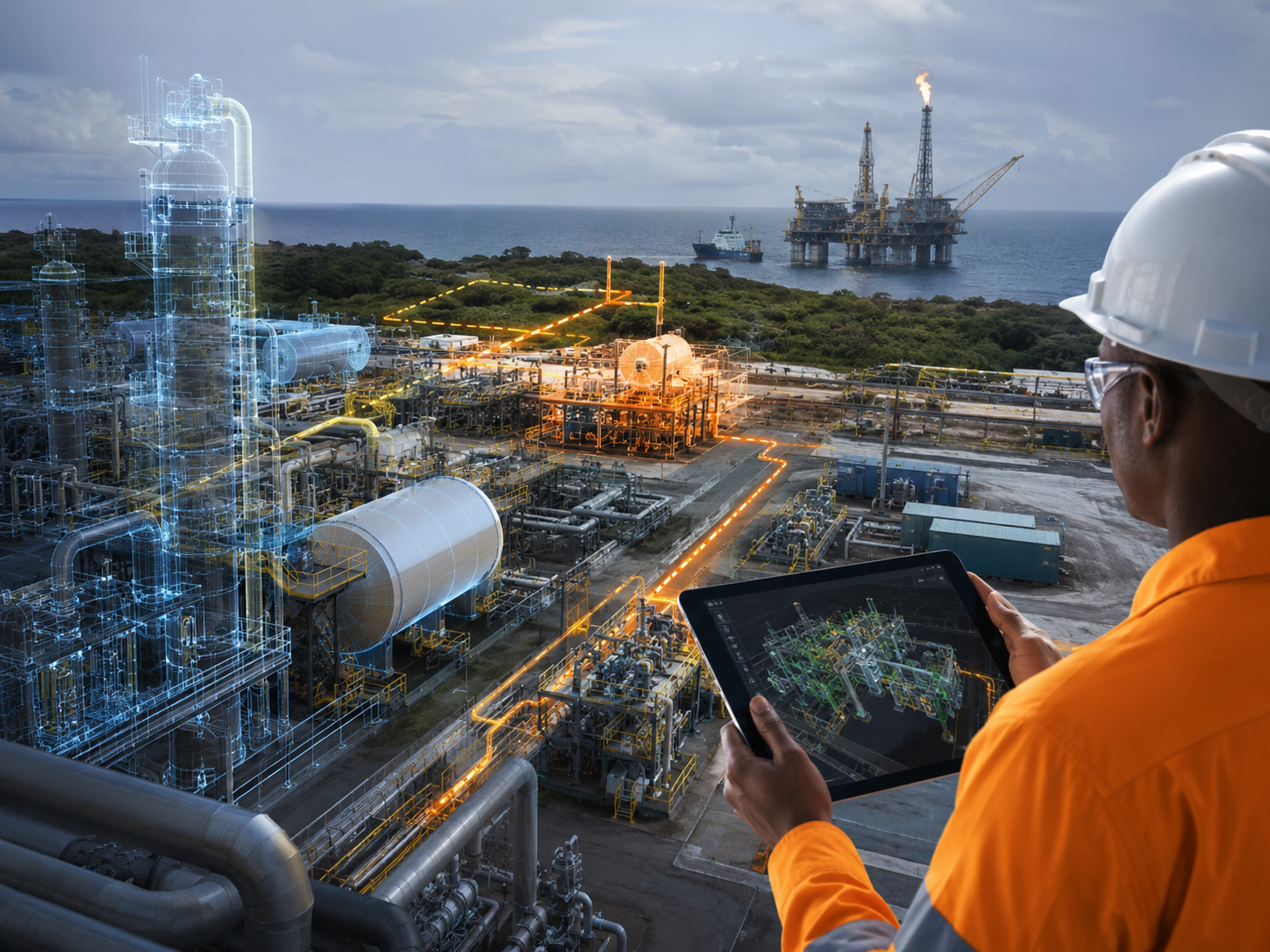
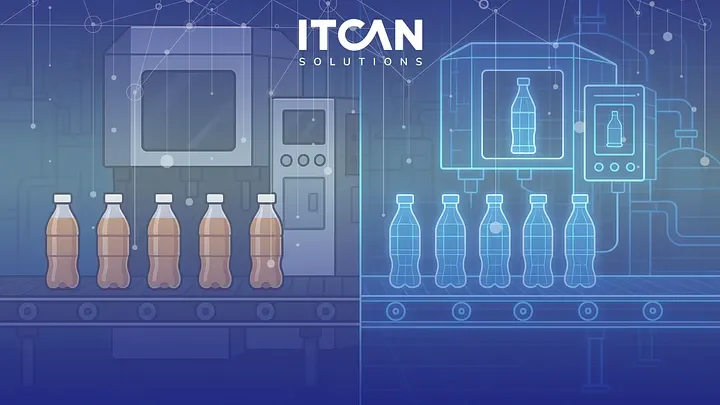
Digital Twin acts as an input and output validator for AI’s success. It is a multi-dimensional framework that combines the as-designed, as-built, and as-operated states of an asset, covering its entire lifecycle from inception to decommissioning. One of the key factors in achieving this is the selection and deployment of the right set of tools. For example:
· Intelligent engineering systems ensure engineering data is populated and stored in compliance with guidelines
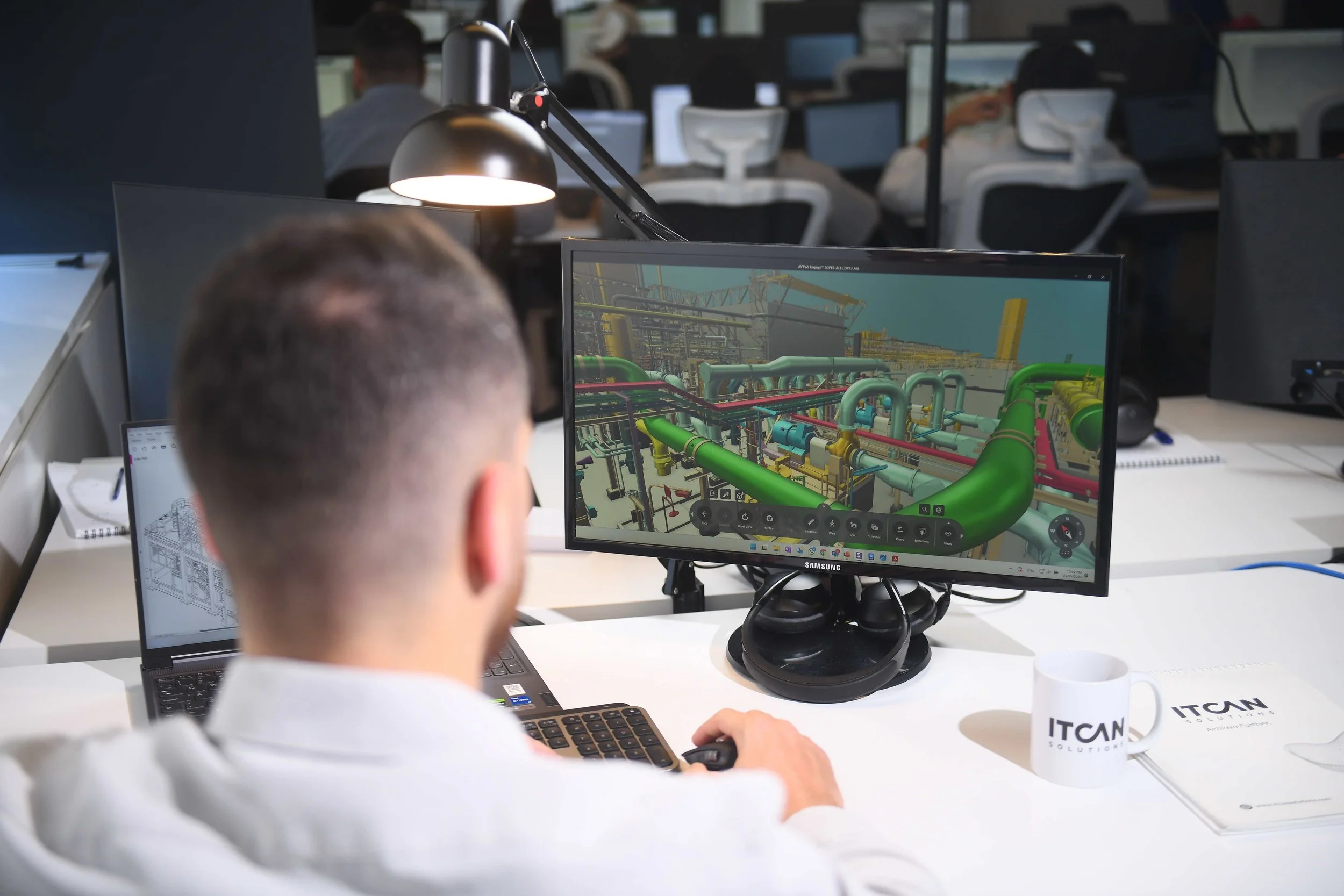
· Design tools that offer 3D and Spatial representation of the physical asset enable immersive experiences
· Asset information management tools that aggregate various types of information into a single pane of glass that users can interact with.
This by itself has brought a lot of convenience to the end user in all industries, especially the energy sector, and is seen today as a game changer, but with the infusion of AI technologies, we are witnessing a revolutionary shift. The integration of Generative AI and advanced cognitive functions is setting a new standard in how we interact with these systems. Digital Twins will soon evolve into highly intelligent entities that serve as indispensable advisors to the users, offering not only just data replication but also strategic advice, expert guidance, and ultimately autonomous decision-making.
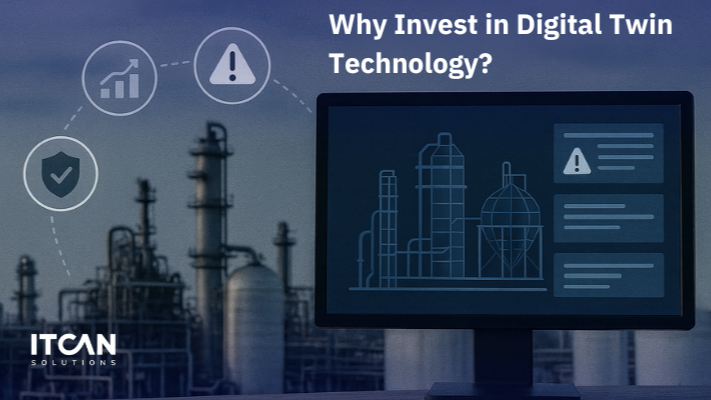
But how do organizations justify investing in Digital Twin?
In addition to its value in leveraging AI in the right context, Digital Twin has demonstrated much value over the past decade. The most critical KPI targets for industry leaders are safety, environment, and production. In other words, the key challenge is how to meet production goals while ensuring both the safety of personnel and compliance with environmental regulations. While that sounds attainable, a seemingly small mistake, whether at the shop level or in the engineering office, such as mislabeling a valve on a P&ID or a wrong property entered into a datasheet, can have severe consequences resulting in immediate equipment failure, leading to safety hazards, environmental damage, and financial losses.
Digital Twin is nothing but a holistic framework that combines all efforts in ensuring consistent, complete, correct, and, most importantly accessible data to the operators and engineers to make informed decisions while ensuring safety across the entire lifecycle of the oil & gas assets.
The road to AI success begins with reliable data. If you’re ready to take your AI initiatives to the next level, start by building a robust Digital Twin and ensure your data is as reliable as your ambitions. Explore our Digital Twin solutions today and step into the future of engineering, where trusted data powers intelligent AI-driven decisions.
Contact us now: www.itcansolutions.com
Related Blogs