Why Invest in Digital Twin Technology? The Key to Smarter, Safer Operations
85% of organizations plan to scale their investments in Digital Twin technology within the next three years
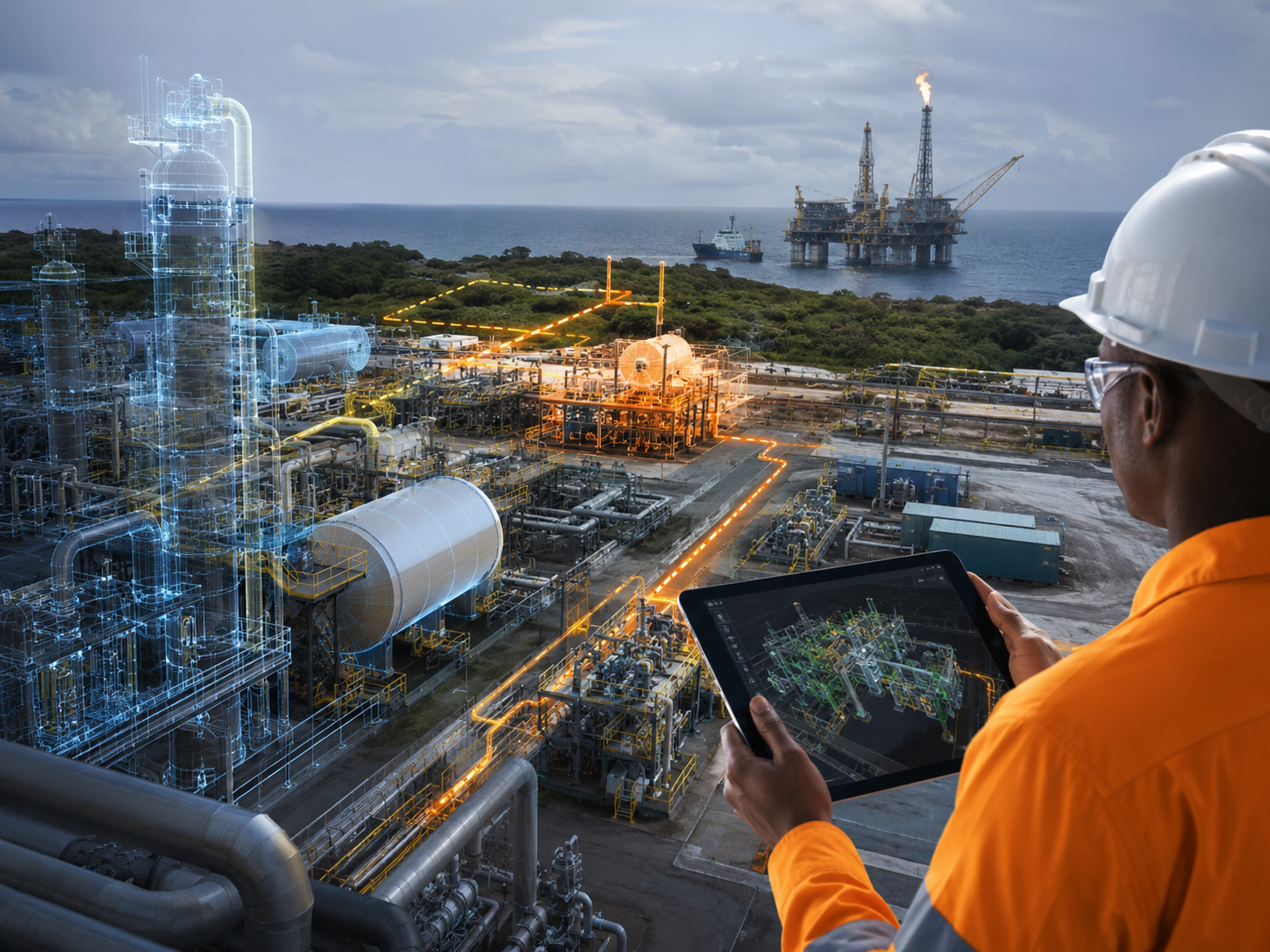
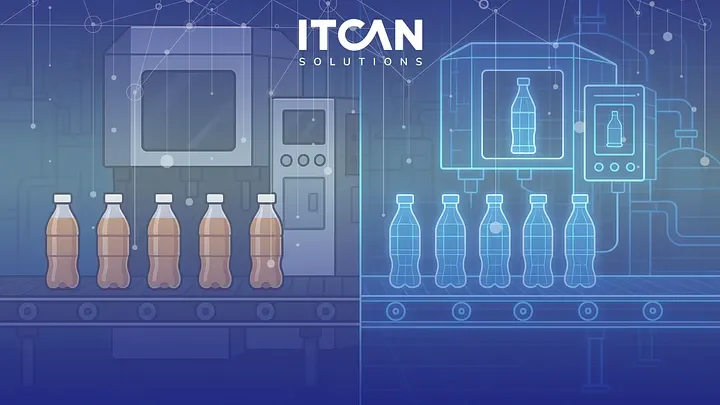
Imagine having a perfect mirror of your entire plant but in a virtual environment where you can access every single document related to any equipment with a single click. It doesn’t only reflect its updated and current state but also simulates potential scenarios, identifies risks, and suggests improvements.
Digital Twin technology, often described as the "brain", does exactly this; it is far more than a trending term; it serves as a critical enabler for transforming decision-making processes, particularly in data-intensive sectors like energy sector.
Digital Twin isn’t just another buzzword; it’s a multi-dimensional framework that integrates data, processes, and visualization tools into a unified digital replica of a physical asset or system. At its core, the Digital Twin provides the essential ingredient for achieving excellence: trusted data. By consolidating disparate information streams into a single, accessible source of truth, Digital Twin enables organizations to make decisions based on accuracy, consistency, and clean data.
How Digital Twins Revolutionize Operations
In industries like energy, where operations generate massive amounts of complex data daily—from P&IDs, datasheets, and E&ICs to engineering designs, managing and leveraging such vast, diverse datasets effectively is a significant challenge.
Imagine a refinery manager striving to balance production targets with strict safety and environmental standards—a task made increasingly complex by scattered, siloed, and inconsistent data. Without a Digital Twin, critical decisions may rely on outdated piping diagrams, misaligned datasheets, mislabeled valves, or fragmented data insights, leading to inefficiencies, errors, or even catastrophic risks.
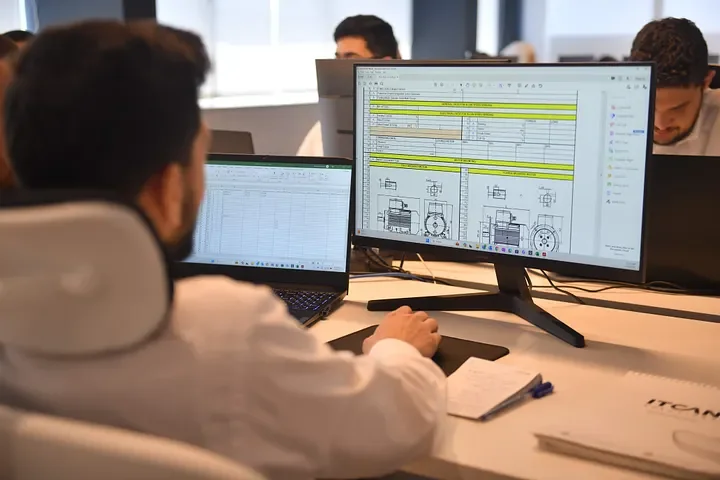
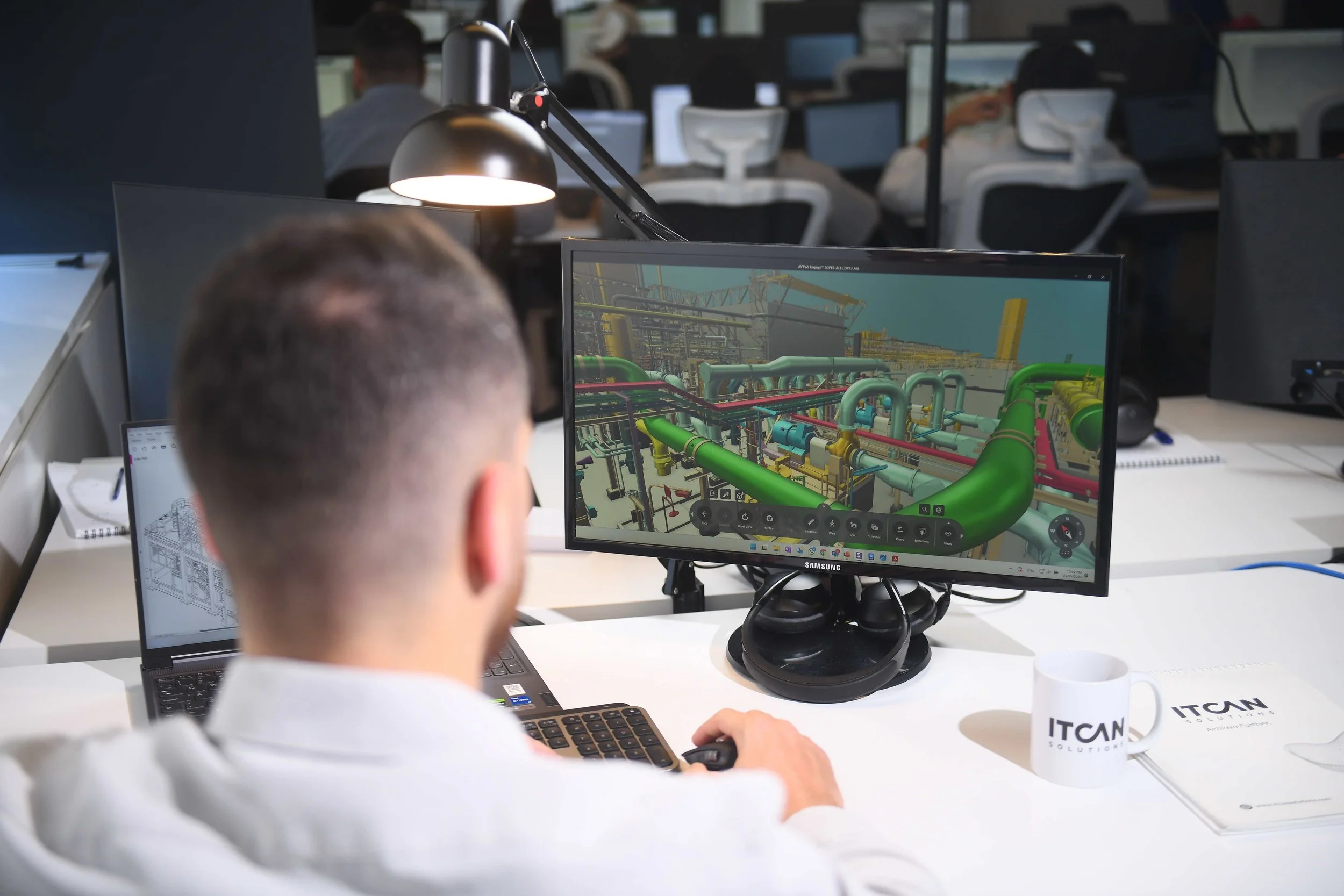
Digital Twin technology transforms this scenario by contextualizing and unifying design and engineering data into a single, dynamic platform with Asset Information Management, providing unparalleled visibility across every stage of an asset’s lifecycle. This ensures data is accurate and easily accessible. With this system in place, engineers can effortlessly retrieve critical details—ranging from P&IDs and E&ICs to datasheets and 3D models—with a single click. This enhanced visibility allows them to proactively identify and resolve potential issues, reducing costly errors, ensuring they work with accurate, clean data, and minimizing time spent searching for information.
Organizations adopting Digital Twin technology report measurable gains, including a 45% reduction in unplanned downtime, millions saved in maintenance costs, and a 10% boost in staff productivity. Through simplified access, and trusted monitoring, Digital Twins empower industries to make data-driven decisions that drive efficiency while safeguarding safety and compliance in even the most demanding industrial environments.
Driving Sustainability Through Digital Twins
How can companies like oil and gas balance production goals with sustainability? It’s a constant challenge—but Digital Twin technology makes it achievable.
As mentioned earlier, Asset Information Management consolidates siloed data into a single source of truth, enabling managers to monitor emissions in a virtual environment, which allows them to test alternative approaches through simulated scenarios, and validate compliance with sustainability standards—all while optimizing overall performance.
The impact? 78% of organizations using Digital Twin report lower carbon emissions, with an average reduction of 15%.
Beyond monitoring, 3D models proactively identify hazardous areas that could pose significant environmental risks, such as potential gas leaks or equipment vulnerabilities, allowing preventive action before issues escalate. By digitizing all data and processes, it minimizes reliance on manual work, and significantly reduces human intervention in hazardous zones, contributing to a safer and greener framework.
Ultimately Digital Twin enables energy companies to achieve production goals while upholding environmental responsibility, delivering a balance of performance, regulatory compliance, and sustainability that ensure long-term objectives.
Digital Twin as the Foundation for AI Success
In the era of Artificial Intelligence, the relationship between AI and Digital Twin technology is nothing short of symbiotic.
Intelligent Engineering enriches AI with context, ensuring these systems are fed reliable and actionable information; this foundation is critical for AI to perform at its best.
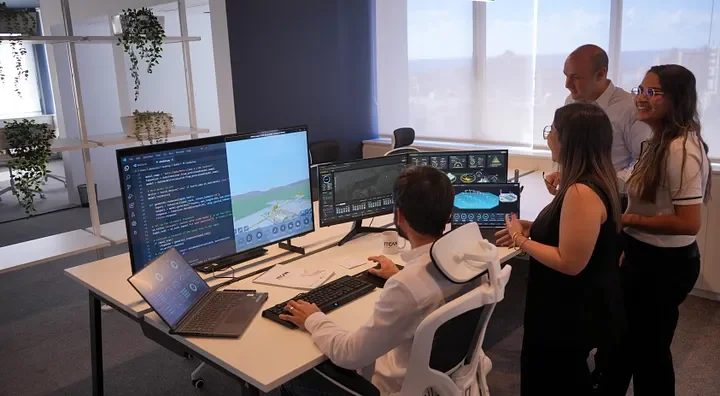
When integrated with these advanced systems, AI moves beyond analyzing data to offering strategic recommendations, predicting outcomes, and even automating critical decisions. Picture an AI assistant guiding engineers through a virtual walkthrough of a plant, delivering real-time insights and suggesting optimal actions based on historical trends. These capabilities, once considered futuristic, are now becoming a transformative reality for organizations leveraging Digital technology.
Why Now?
The future of industry belongs to those who can harness data intelligently, optimize their processes, and drive sustainability. Digital Twin technology delivers all three—providing accurate, and trusted data, reducing risks, and ensuring compliance while enhancing efficiency.
Take the Leap
Ready to redefine your organization’s potential? Begin by exploring how integrating a Digital Twin with your existing systems can transform decision-making processes. With the right technology and partnerships, your enterprise can lead the charge into a smarter, safer, and more sustainable future.
The question is no longer if you should invest—but how soon.
References
https://www.infotech.com/research/ss/digital-twins-in-manufacturing?
https://emerline.com/blog/digital-twins?
https://sustainabilitymag.com/articles/hexagon-sustainability-leaders-underestimate-digital-twins?
https://createdigital.org.au/twin-technology-cutting-costs/?
Related Blogs